 Image 1 of 5
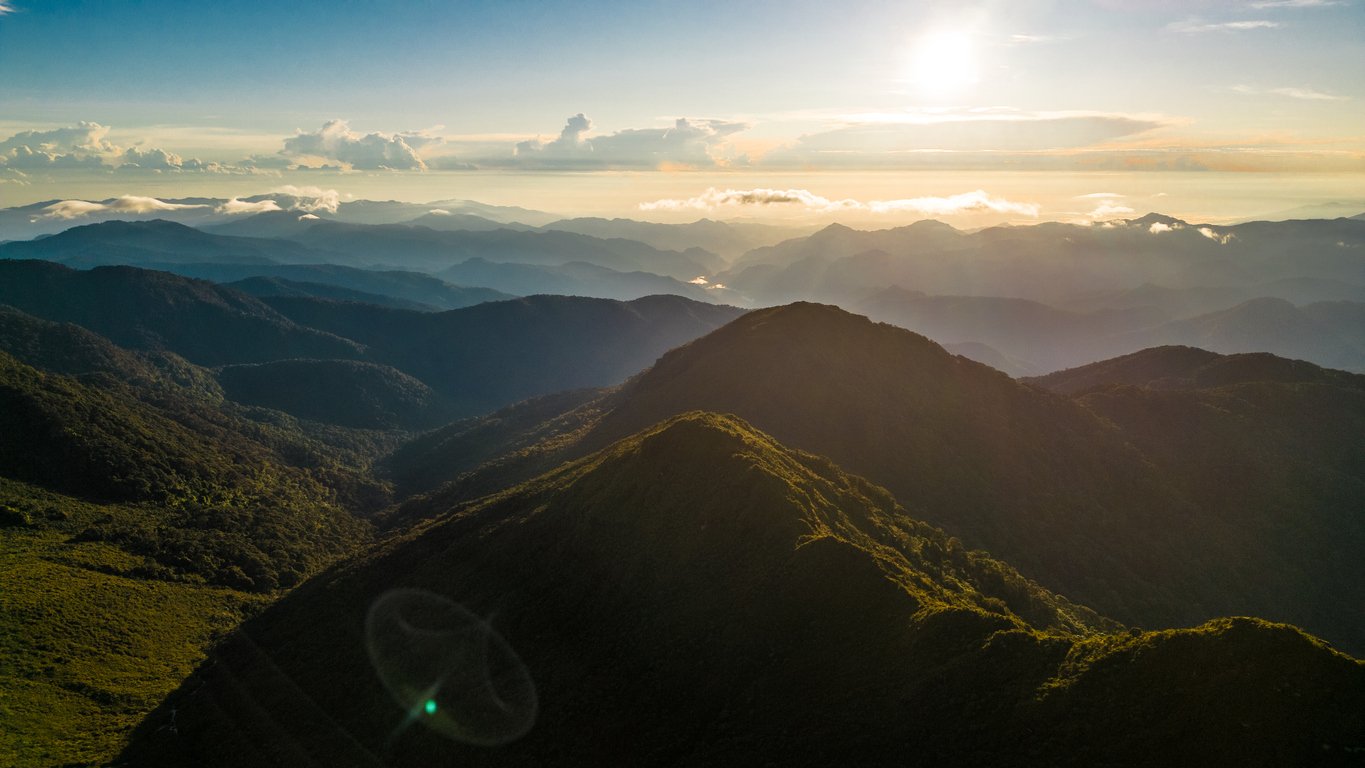 Image 2 of 5
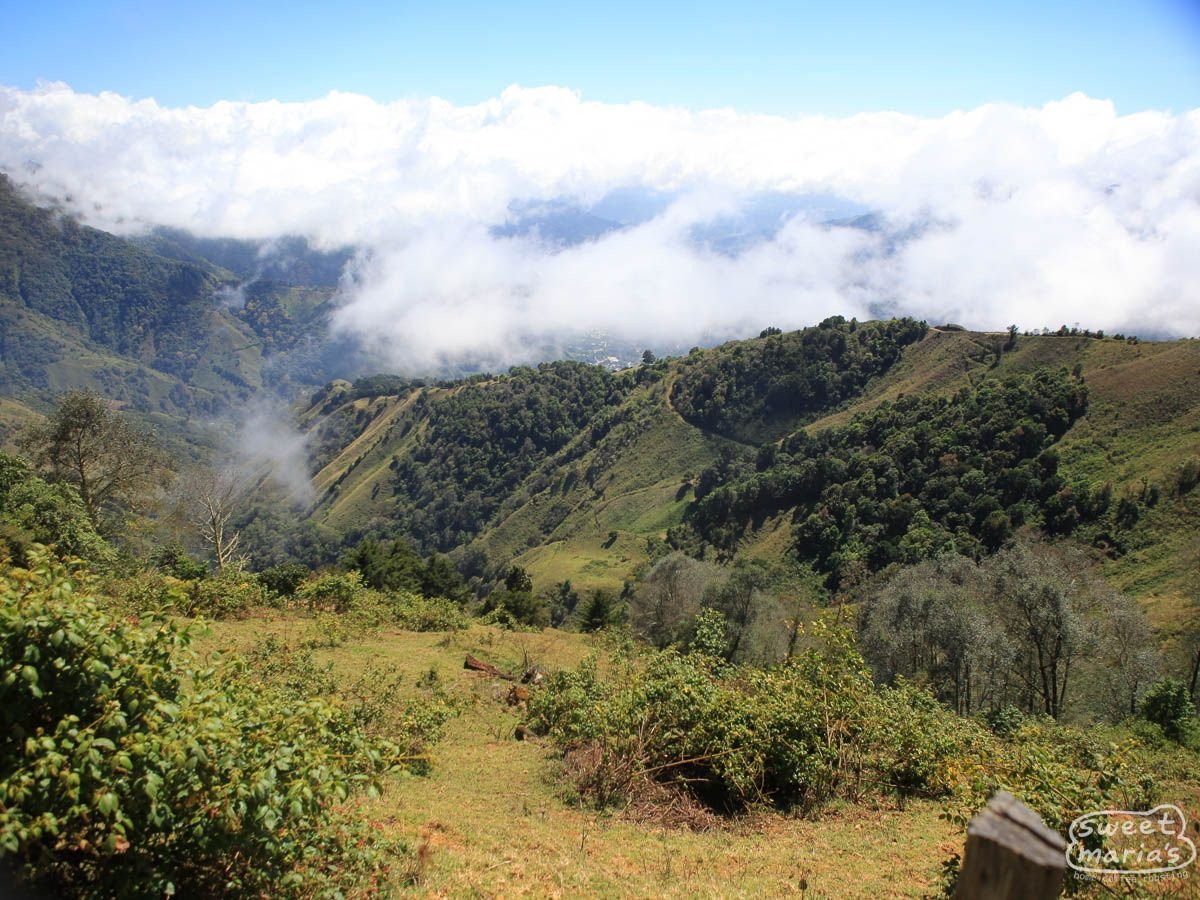 Image 3 of 5
 Image 4 of 5
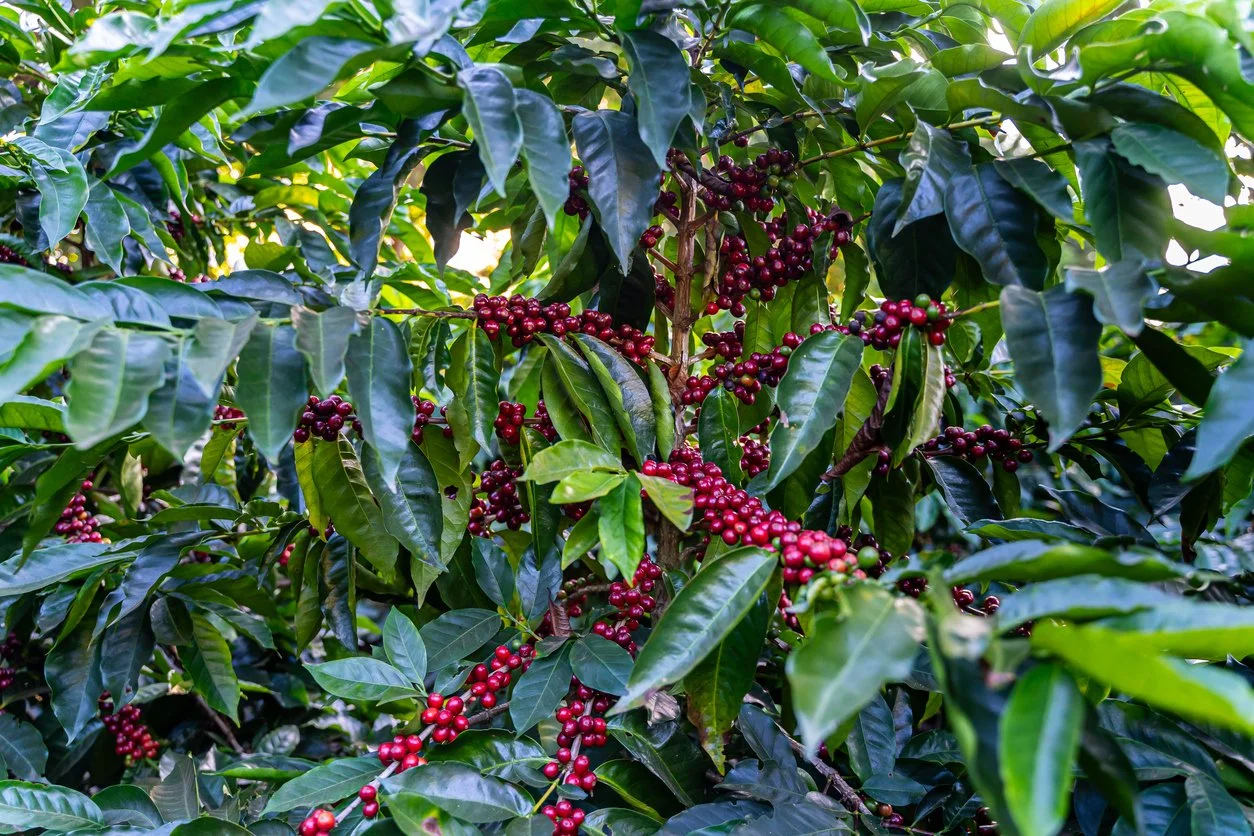 Image 5 of 5
-
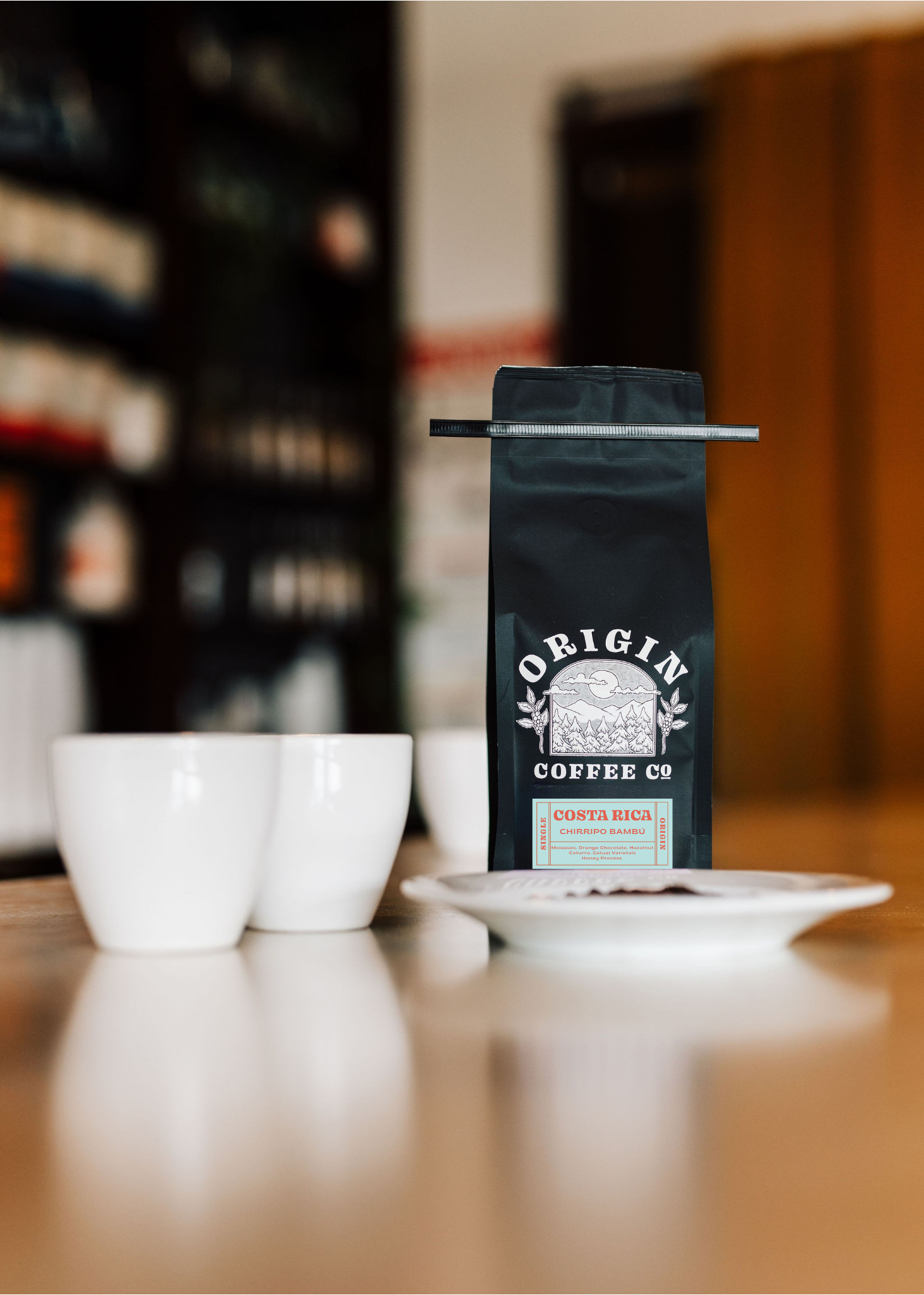
Region: Rivas, Chirripo
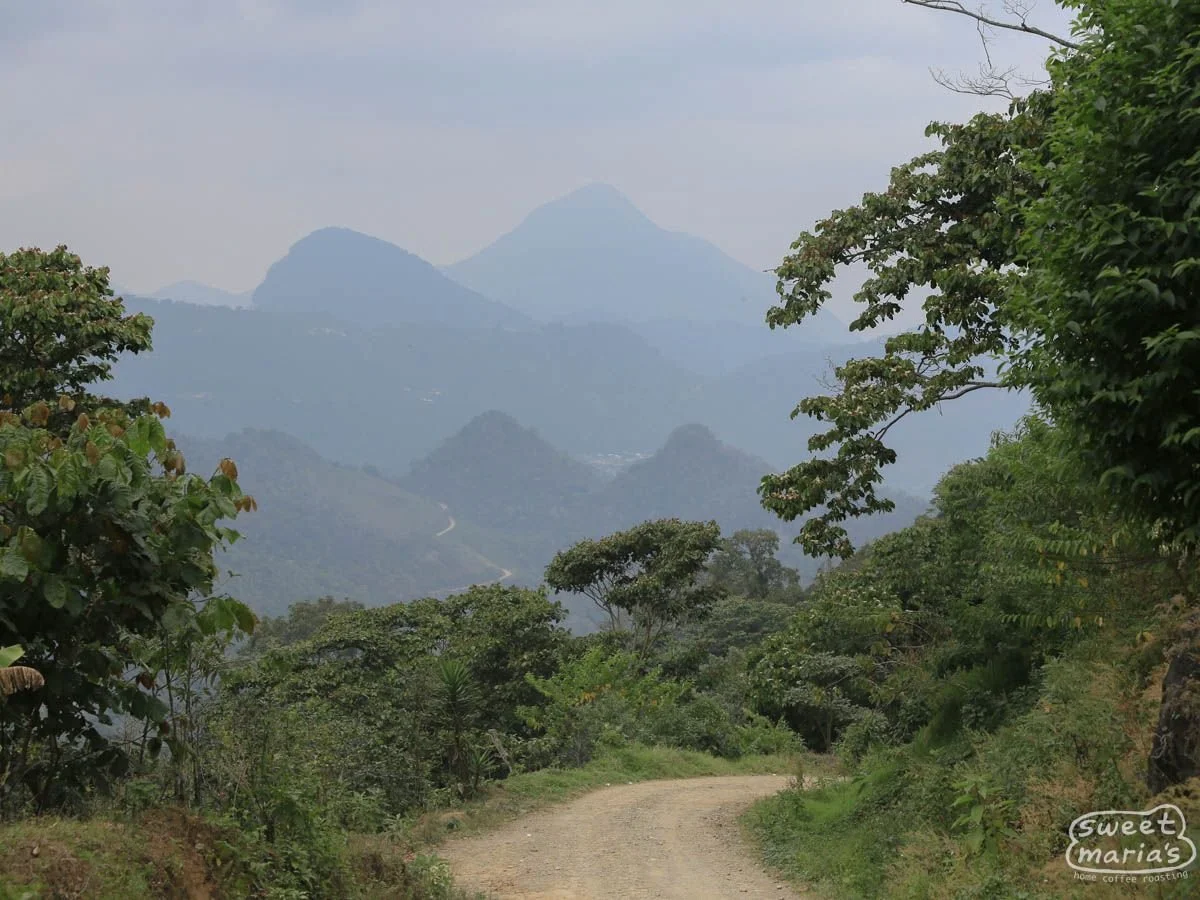
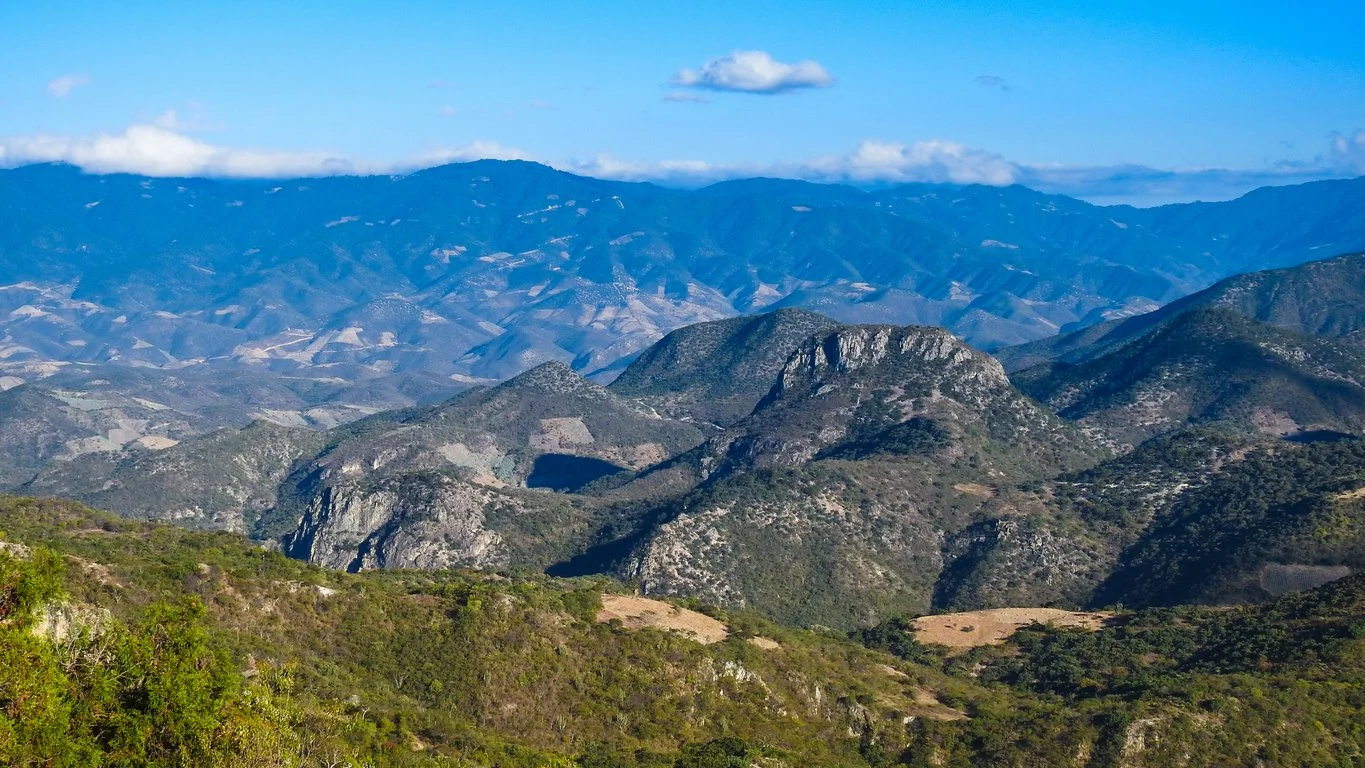
Bambú comes from the highlands of Chirripó in southern Costa Rica, near the foothills of the majestic Talamanca Mountain Range. This is one of the country’s most dramatic and elevated coffee-growing landscapes, where steep mountainsides, cool mist, and nutrient-rich volcanic soils create ideal conditions for slow, steady cherry maturation.
The Chirripó region sits along the Pacific slopes of the Talamanca range, home to some of the highest peaks in Central America. Farms here often reach elevations well above 1,600 meters above sea level, producing dense, complex coffees with structured sweetness and refined acidity. Warm days and cool nights lengthen the ripening cycle, allowing sugars to fully develop within the fruit.
“Bambú” refers to the specific farm plot surrounded by bamboo trees — a distinctive marker of the landscape and microclimate. The combination of high altitude, pristine mountain water, and careful family stewardship results in coffees that feel both vibrant and grounded: layered sweetness, balanced acidity, and a texture that carries flavor beautifully from first sip to finish.
This coffee is cultivated by Joiner Alvarado and his family, whose 40-hectare farm stretches from 1650 to 2000 meters above sea level. Planted in Caturra and Catuaí. After years of selling to nearby mills, he saved enough to establish his own micro mill, Joicafe, taking full control of quality from harvest through drying.
-
Honey Process
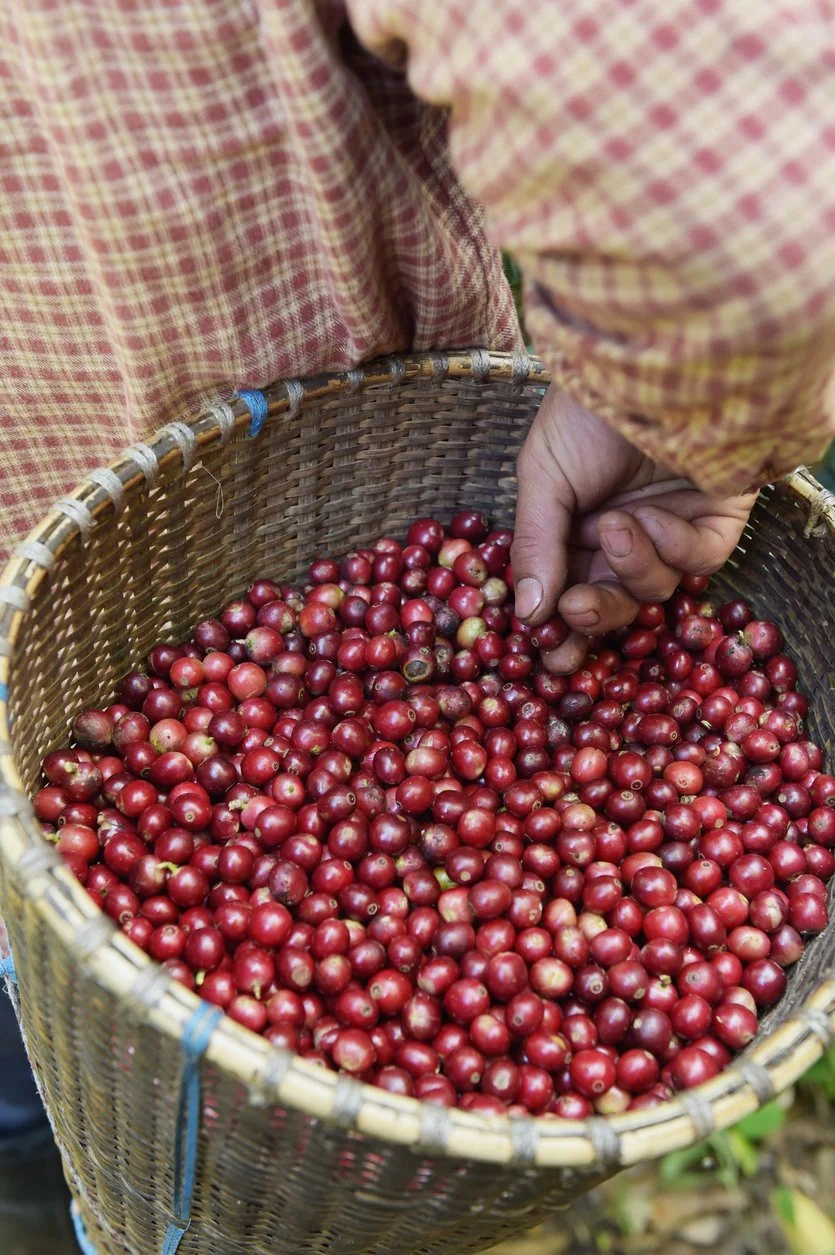
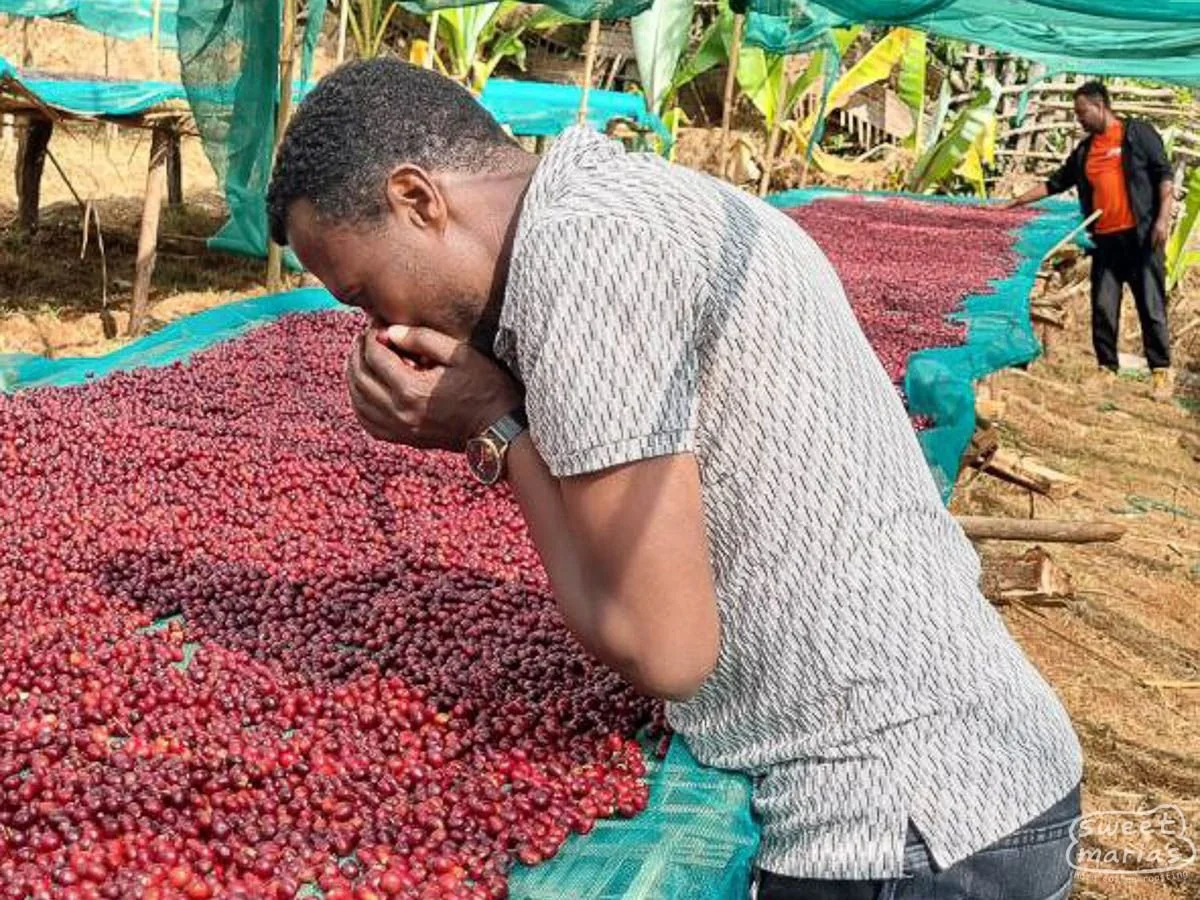
In Costa Rica, most honey process coffees are pulped using a mechanical demucilager calibrated to remove most of the outer fruit and only some of the fruit mucilage that's stuck to the seed. The coffee is then moved to drying patios for 1-2 weeks with the sticky fruit mucilage still intact, turning a yellowish-red "honey" color as it dries. Honey coffees often have big body, and more moderate levels of acidity, making them a good candidate for espresso.
-
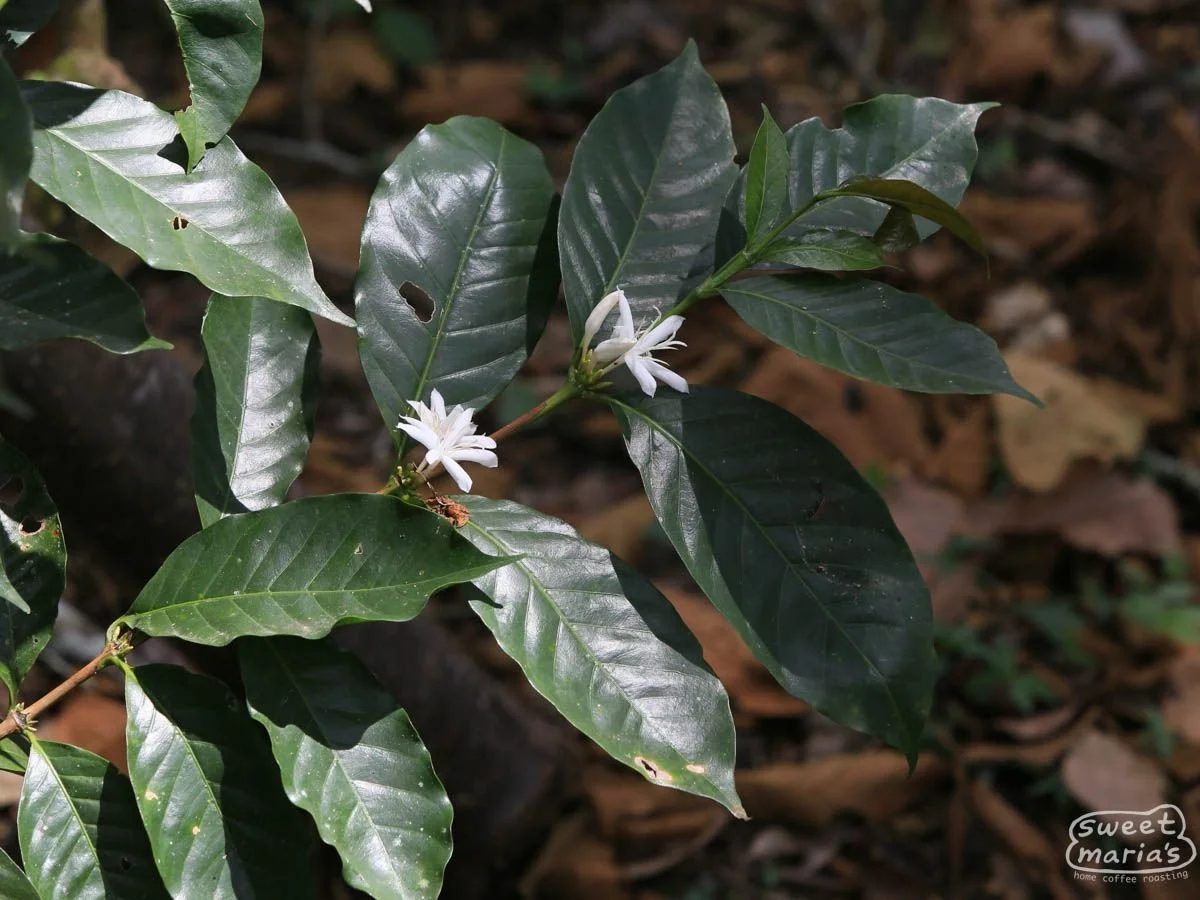
Caturra, Catuaí